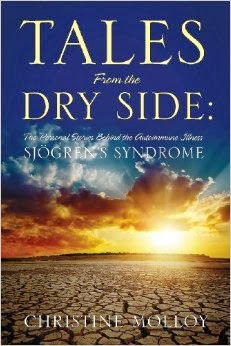
For Everything There is a Season

"In order to write about life, first you must live it." ~ Ernest Hemingway

Page 25 of 45

Road To Marriage

 
“Become the kind of person the kind of person you would like to marry would like to marry.” ~ Douglas Wilson

Four months from this Friday I will be getting married.
A whole wedding and everything.

This is a big deal.

I know marriage should be a big deal in general, but let’s be honest. In our society today, people get married and divorced more often than many people change jobs. My fiance and I have both been married before so now we are going to be included in the second marriage statistic. You know, the one that says half of all second marriages will end in divorce.

We will not be on the wrong side of those statistics. I’m sure everyone in love says that right before they get married again. Truth be told, I was fine with never getting married again. That was before I met a partner who made me experience real love for the first time.

That is a strange thing to say considering I was married once before and engaged to someone else even before that. My first fiance was this great guy I met at work when I was about twenty-three years old. We started out as co-workers and then became friends. We dated for a while, I moved into his house, we talked about marriage, I got cancer, he proposed, and then four months before the wedding, the bomb dropped.

He told me that he had come to realize that he never truly loved me and had only proposed because I had just finished my cancer treatments and he felt like he was obligated to propose. That is was what he was “supposed” to do. He should have said something sooner he told me.

Nice.
Problem was, I still loved him.

So I moved out of the house, sought refuge at my parent’s home because I was such an emotional wreck and spent the following weeks cancelling all the wedding plans that were already in place. To this day, I do not think he was a bad person. Confused and gutless yes. But not bad. After a while, I decided I was too young to pine away for a man who would never love me. I found my own apartment and continued to throw myself into my career, my family, and my friends.

Enter the next love. My ex-husband. I met my ex-husband approximately eight months after the break up with the ex-fiance and I did not date anybody in between. I am here to tell you that is a big mistake. I would have sworn to you up and down that I was not on the rebound and maybe I wasn’t. I was twenty-eight years old and all of my friends were getting married and having babies. Now I absolutely thought that I loved him and that he loved me but now looking back, I wonder if subconsciously, I was more in love with him or the idea of being in love with him and having the life society tells us we are supposed to have. You know, the one with 2.2 kids and a white picket fence. Because there were signs there that maybe he was not the right person for me but I did not pay attention to those red flags. I wanted to spend my life with someone and raise a family. I thought this was the way to be happy. Tough thing to admit.

Approximately a year after we got married (we had dated for two years prior to getting married), my ex-husband changed in a way that resembled Jekyll and Hyde. He decided that he did not want children after all. His mood started to change dramatically at times, he developed flashbacks, and he was subsequently diagnosed with post traumatic stress disorder (PTSD) which was a result of severe childhood abuse. Then the heavy drinking started and the only thing more difficult than living with an alcoholic, is living with one that has PTSD.

I tried and I tried as hard as I could to keep my marriage together. Eight long years of trying. I certainly made my share of mistakes during my marriage but none that warranted the way I was treated. I thought that if I loved him enough, he would be able to work through his issues, we would have a family and be happy. Instead, I became an emotionally abused wife. The day that he became violent and I thought he would hit me, I began the journey to becoming his ex-wife.

It was not easy, but I have never looked back.
I was finally free.

Despite the fact that the year prior to separating with my ex-husband I began to get very sick from autoimmune related issues, my life really started to evolve. I took control of my life. After we sold our house, I took one of our dogs, moved into my own apartment and discovered I truly enjoyed living by myself again. No chaos. I spent the following two years figuring out who I was as a person and reshaping my definition of what it meant to be happy and that it did not have to include being married, or even having a partner for that matter. Being happy did not depend on whether I was a mother or not. In that quest to find myself, I truly became happy.

I reconnected with my old friends and I made new ones. I began to write and pursue other interests when I wasn’t dealing with my significant medical issues.. I became involved with my church. I dated quite a bit. I even fell for a guy or two. However after a while, I found dating to be exhausting. As a thirty-nine year old with a severe chronic illness, dealing with the drama associated with dating just became too much. Too many liars, cheaters, and men with severe issues. It wasn’t worth my precious energy. I decided that I was going to be content with living on my own, in a great apartment, with my very cool dog and my wonderful family, friends, and church community surrounding me. I had my head on straight now and I was not going to compromise my happiness, health, or peace of mind for anyone else.

Best laid plans, right?

Then enter Chuck. What is it that they say? That love often happens when you are least expecting or looking for it? If you are interested, you can read our story here: Summer of Friendship…Summer of Love.

I knew within weeks of dating Chuck, that I would spend the rest of my life with him. I didn’t care if that involved marriage. I just wanted to be with him. He had become my best friend and it quickly became apparent to me that I could not imagine spending one day without him in my life. It was a big risk for me and maybe he would say the same thing for himself. The risk of loving again after you have been hurt so deeply in the past is probably one of the biggest acts of courage a person can perform. The difference for me this time though was that I knew I was with the right person. I knew what true love felt like.

The type of true love that makes you want to be an even better person than you already are. The type that supports you and encourages your dreams. The type that makes you want to work through all the very difficult questions and differences between you.The type of love that is ultimately unconditional.

I think I just wrote part of my wedding vows.

I am the woman who said she would never get married again but yet, here I am. Older, wiser, and with eyes wide open. I am the woman who is very glad to be a stronger, confident, and more self aware version of her younger self. One who, when she stands in front of her family and friends committing her life to another on May 18th, will know, with all certainty, that it is possible for marriage to last forever.


Low Dose Naltrexone

In my last blog entry I discussed my current experiences with an integrative medicine doctor. (Going Down the Road of Integrative Medicine). In that entry, I mentioned a new medication I was prescribed by this doctor called low dose naltrexone (LDN) and I think that it is worthy of its very own blog entry so here we go. Be forewarned, it’s a bit complicated…

Since we have the modern day miracle of Google, I am not going to spend a lot of time describing LDN and exactly how it works, but I think there are some basics that are important. Naltrexone is a medication that was created in the late 1970’s as a treatment for heroin overdose and subsequently used in larger doses (50-300 mg) to treat heroin addicts. It blocks the opiate receptors in our body, which are also found on immune system cells. The next discovery, in the 1980’s, was that naltrexone at lower doses (hence why it is called low dose naltrexone), blocks these opioid receptors and increases the endorphin levels in the body, which were noted to be low in people with autoimmune disorders as well as in many other illnesses, such as cancer and AIDS. At lower doses, such as 3-4.5 mg, the LDN blocks the opioid receptors for a short time, a few hours. Once this blockade wears off, the body responds by increasing its production of endorphins and this results in cellular changes that inhibit cell growth, inflammation reduction, and healing. It is not an immune booster or suppressor, but rather an immune regulator.

OK, whew. That hurt my head. I have found two books to be extremely helpful in understanding LDN. The  first is: The Promise of Low Dose Naltrexone Therapy by Elaine A. Moore and Samantha Wilkinson and also Up the Creek with a Paddle by Mary Boyle Bradley.

Now, when my integrative medicine doctor told me that he wanted me to try this medication, he did not make any promises or unrealistic claims about its effectiveness. He did refer me to the website:
http://www.lowdosenaltrexone.org/ for more information. However after scouring this website, I became skeptical about the medication. I had a hard time believing that one medication, as seemingly harmless as this one, could effectively treat all the diseases that it claimed it could: autoimmune disorders, many types of cancer, and AIDS. Because if it was that effective, why were so many people still sick? Why didn’t more doctors and patients know about it?

After about a month of online research and reading the above two books, I had to admit that I was very intrigued by the positive effects LDN was having on some people with autoimmune illnesses, specifically multiple sclerosis (MS). Sjogren’s syndrome and MS can share an uncanny amount of similarities in terms of symptoms and many people with Sjogren’s are originally misdiagnosed as having MS. I also read many anecdotes about the success of LDN on other autoimmune illnesses such as Crohn’s disease and rheumatoid arthritis.

So WHY don’t more people know about this? Many proponents of LDN therapy claim that it is seen as an alternative therapy and that its use is not widely recognized because there is not enough clinical research done on the positive effects of the medication. There have been some small clinical trials done at a few very noteworthy medical institutions, but it has not been studied on a large scale. Why not? Well, pharmaceutical companies fund these trials and naltrexone is a generic, very inexpensive medication to produce. According to LDN proponents, there is no financial incentive. Despite the fact that this may sound like a conspiracy theory type of thing to a lot of people, with my less than favorable experiences in regards to the pharmaceutical industry, it all makes sense to me.

As I see it, there are two issues with LDN. The first is that the one major side effect it has is insomnia. This is something I have been struggling with significantly since last Spring, possibly due to another medication called Topamax. The second issue is that because it blocks opioid receptors, you CANNOT take any narcotic pain medications while taking LDN. If you do, you have to stop the LDN. Luckily, my rheumatologist is not a big fan of using narcotics to treat Sjogren’s related pain issues and I have adverse reactions to many narcotics anyways. Because of this, I have worked hard at learning and utilizing other pain management techniques. When things are really bad, I do resort to a pain medication called Tramadol. Because of its mechanism of action, Tramadol is a centrally acting analgesic, rather than a true narcotic. However I was instructed that if I do take Tramadol, to space it four hours apart from my nightly LDN dose.

LDN is routinely taken between 9pm-2am although some people say that it can be taken in the morning. However since endorphin production is highest around 2-4am, it is thought that this is the best timing for the highest effectiveness. LDN also needs to be specially compounded by a pharmacist and not every pharmacy does this. I get mine from Skip’s Pharmacy in Boca Raton, Florida. One month supply, not covered by insurance, costs me about twenty-five dollars with shipping.

So five weeks ago, after much trepidation and research, I decided to just go for it and I took my first dose of LDN. To begin with, the only side effect I have noticed is the insomnia and I will admit, it is pretty rough and worse than before I started the LDN. I have since weaned myself off of the Topamax, which I take for severe autoimmune related migraines, in the hopes that will help alleviate the insomnia. I already have a lot of alternative methods I use to help sleep such as meditation, herbal tea, etc. but like clockwork, I wake up between 1-2am every single night after going to bed around 10pm. Sometimes I fall back asleep and sometimes I don’t. However that all being said, I have been battling a bad viral infection this week and have been sleeping better. Not sure if that is because I am sick or not. Because sleep deprivation is a trigger for worsening of my Sjogren’s symptoms, before this week, I had been taking a sleep medication two to three times a week to help me catch up on my sleep. I was told by Skip’s that the insomnia should improve and possibly even go away within the next few weeks.

It is very hard to see a benefit from a medication like this when you have recently started other treatments as well. I started an autoimmune medication called Arava in October and an eye medication called Restasis in November. Except for a week exacerbation of joint pain on my third week of LDN, my joint pain has significantly improved and my eye doctor told me last week that my eye dryness has improved. LDN related? Possibly.

Since stopping my migraine medication, I initially had a week of migraines and they have since resolved. I am hoping it stays that way. If I continue to have a significant reduction in migraines or even complete resolution of them, I will absolutely attribute that to LDN because prior to LDN, I could not function without Topamax.

The improvement I have noticed, that I know cannot be attributed to other medication, is in my overall well being and my energy level. It is difficult to explain but does make sense considering LDN affects our endorphins. I feel more able to effectively cope with my physical symptoms when they do arise and my mood seems more stable. This is significant because I am still in the process of weaning off prednisone. There has also been a decrease in my anxiety level to the point that this week, I can say I have no anxiety at all. That is also significant as I am still waiting for some test results and this would naturally produce some anxiety for me.

At first, I did not see the improvement in my energy level. It was subtle. I also am not sure if it can be attributed to the Arava as well. Although I am still extremely fatigued by about 4-5pm each day, I have noticed that my days are becoming more productive. This is highly unusual, actually unheard of, when I am weaning off prednisone.

And that is where I am at five weeks into my LDN journey. In my head, the jury is still out as to how effective this treatment might be for me long term. I am hopeful.The signs so far are positive and I think time will tell; especially once I am completely off prednisone and hopefully the Arava as well. I also think that it is not a treatment that when used alone, will cure me. Rather, I think it is one more tool, along with exercise, supplements, diet, stress management, and multiple other modalities, that can be used in my long journey to improved health.

Going DownThe Road of Integrative Medicine


“Progress always involves risks. You can’t steal second base and keep your foot on first.”~ Frederick B. Wilcox


I had been toying with the idea of seeing an integrative medicine doctor regarding my autoimmune issues for over a year. Integrative medicine takes into account the whole person and uses both conventional and alternative medicine as treatment. It focuses on body, mind, spirit, and community rather than just flesh, bones, and organs. It combines conventional medical treatment with complimentary and alternative treatments (CAM). Some of these CAM practices and treatments include dietary supplements, energy healing, clinical nutrition, and detoxification. Integrative medicine focuses on eliminating the cause of the disease rather than just managing the symptoms. Some people see integrative medicine doctors as quacks and some people view them as miracle workers. I know people who have seen them and the reviews have been mixed, although I would say I have heard more positive experiences than negative ones.

Despite the fact that the autoimmune illness I have, Sjogren’s syndrome, had been unstable for years (except with higher doses of steroids which are a nightmare to deal with), I had put off the idea of seeing an integrative medicine doctor. It wasn’t that I hadn’t dabbled in what I guess would be called alternative medicine, such as acupuncture and massage, but the idea of anything other than standard Western medicine making me healthier seemed foreign to me. Maybe that was due to the fact that I am an RN. I have been trained in traditional medicine and it is all I’ve ever known. However it was becoming clearer to me that perhaps traditional medicine alone was not going to be the answer for me. Not that I was looking for a cure mind you. I had accepted the fact that I have a lifelong chronic illness. But rather, I needed more effective tools and treatment to improve my quality of life because as it was, that quality of life seemed to be going downhill year by year.

So this past November I went in to see a doctor at Northampton Wellness Associates here in Massachusetts. The practice is a group of integrative health care practitioners. I will admit, I was skeptical but my skepticism dwindled as I spoke with my new doctor. We discussed my history and a lot of the things he said made perfect sense. For a while now, I have often wondered if my autoimmune problems were triggered by the radiation therapy I had for lymphoma in 1996. I was never a particularly sick child or teen but from 1996 on, one health problem after another crept into my life. I did not share this theory of mine with my new doctor (Dr. L) but he said the same exact thing to me. He thinks that I am genetically predisposed to an autoimmune disorder (my sixty-five year old father was recently diagnosed with one) and that the months of radiation treatments brought out the autoimmune illness. He was quick to point out that this was unavoidable. I had to have the radiation in order to save my life, but now we must also figure out the best way to deal with the end result of that possible trigger.

He also went on to explain that most of the symptoms I experience are autoimmune in nature such as my asthma, migraines, joint pain, allergies, etc. Now I had always thought this and my rheumatologist had made some associations, but the further back we looked into my adult health history, the more I realized how connected all my ailments were. Dr. L also stressed that there may be several other contributing factors to my autoimmune issues such as allergens, environment, diet. etc.

We came up with a plan. I agreed to go for allergy testing which would initially be done by blood work. He did warn me that the blood testing for allergies is not always accurate but it is the least invasive preliminary step in the allergy testing process. I ended up testing positive for two different mold allergies that are often found on certain foods and so I am now beginning to attempt to eliminate these foods. Luckily, many of them are gluten or dairy based foods, which I already have eliminated from my diet.

However my blood allergy testing also did NOT reveal a cat or dog allergy; both of which I know for a fact I have due to traditional scratch test allergy testing I had done years ago. I spoke with the allergy department at the Center and decided to continue on to the next step of intradermal allergy skin testing which I will begin next week. The intradermal skin testing is significantly more reliable.  I thought it was important because if there is any chance that allergens (especially to my dog) were contributing to my autoimmune issues, I may want to pursue non-medication treatment for it; specifically allergy injections.

Luckily, at this point, my health insurance covers a majority of the costs for Dr. L. My health insurance changed January 1st but at my November visit, I had my regular copays for the doctor visit and the blood work. I have checked with the Center regarding my new insurance which will have the same coverage as my old one, including for allergy shots if I do definitely go that route. However I am aware that there will probably be other suggested treatments that may not be covered by my insurance but my philosophy is to take that as it comes. I am also trying to look at it from the perspective that further treatment may help me eliminate some of my current prescription medication and overall health care costs (think hospitalizations and ER visits) and allow me to cut the cost of these, all of which have skyrocketed.

I made it very clear to Dr. L that I did not want to abandon my traditional treatment for the Sjogren’s at this time but yet, my goal was to eventually get off as many of my prescription medications as possible as I was on at least thirteen different prescriptions. That is a ridiculous amount of medication and I felt that I was probably having medication interactions. He was very receptive to this and said we would take it one step at a time. We would start with allergy testing, I would continue to wean off my steroids (which was my plan with my rheumatologist anyways), and he wanted me to start a new medication.

The idea of another medication surprised me coming from this type of doctor. It is called low dose naltrexone (LDN) and honestly, it is worthy of a blog entry all by itself. I had never heard of it before and it required a lot of research on my part. It is an “alternative” medication that he routinely prescribes for all of his autoimmune patients as it has been shown to have the capability to regulate the immune system and has had some good outcomes with certain autoimmune disorders. However I have only been on it for a month and am waiting a little longer to see how it continues to work out before I write that blog. The LDN can take a while to see a full effect so we agreed that we would meet again in February and see where things are at.


I liked the fact that Dr. L was treating this as a process and not overwhelming me with a million treatment options all at once because to be honest, I have seven or eight other specialists who are doing a great job at overwhelming me, no matter how unintentional it may be. I will admit, the process is very intimidating for me. I know about all things in traditional Western medicine. I know when to trust what a doctor tells me and I know when a doctor doesn’t know what he or she is talking about. As a nurse, I know about prescription medications (well except for LDN!) but not so much about supplements and herbs. It is certainly a learning process and one that I hope will prove to be beneficial.

Am I still a little skeptical? Sure. But I am also skeptical about putting toxic, possibly cancer causing drugs into my body as I have been doing. I am skeptical about dangerous side effects I may have, and have already started to have, from being on steroids the rest of my life. I am skeptical about the quality of life facing me until the day I die. So really, what do I have to lose?

Hang On As Tight As You Can


“I’ll lean on you and you lean on me and we’ll be okay.” ~ Dave Matthews Band
 

It is the day after Christmas and I am sitting here thinking of all the blog entries I want to write. My writing has taken a nose dive recently for a variety of reasons and I can always tell when it has been far too long since I have done any writing. Whole sentences and paragraphs start to form in my head in the middle of the night when I am fighting my enemy, the evil insomnia. Or I will be having a conversation with someone and sometimes find my mind wandering to all the thoughts in my head that I want to get written down.

Today is my day to get my mind and spirit back to my passion. To be honest, over the past month or so, I have been so distracted and overwhelmed, that I couldn’t even concentrate long enough to put all of those sentences and paragraphs together. But like so many other times, it was my fiance, Chuck, who gently reminded me with one of his Christmas presents, that writing is the one of the things in this world that I need to do.

He is so good like that; paying attention to what is going on with me and supporting me. I used to worry that because of my illness, he gets the short end of the stick, having to be the strong one more often than not. We have only been together a little over two years and we have endured our share of challenges, in regards to life, my health and, as all couples do, our relationship. Usually though when some type of challenge faces one of us, the other person is in a good enough place to be a strong support. But then what do you do when:

One of you gets so sick that you are hospitalized for five days. And more testing and uncertainty follows.

One of you is having a lot of stress at work.

Your dog gets sick enough to require four vet visits in one week and multiple tests.

One of your cars breaks down.

One of you has been hurt by someone you love and trusted.

One of you is faced with the possibility of another autoimmune illness.

One of you has a sister who undergoes life changing surgery.

One of you is told that you have a growth on your gallbladder that has a remote possibility of being malignant and you have to make a decision about whether it is worth the risk of surgery.

Christmas is fast approaching.

One of you is told that your mother is dying.

And all of this happens within the time frame of one month.

So what do you do? What do you do as a couple with so little time under your belt when both of you are stressed beyond limits that you think you can handle?

They say that love conquers all but I am not sure I agree with that anymore. Rather, I think love, friendship, determination, faith, compassion, selflessness, and most of all communication conquers all. Because once you are committed to someone, experiencing crisis is no longer a solo event. You have to be able to not only support your partner in their struggles, but deal with your own feelings as well. It is easy to get caught up in your own challenge of just getting yourself through the day, but it’s no longer just “your” day. The day belongs to both of you.

I cannot speak for my fiance but for myself, in the past month, if I was trying to be there as a support for him, I rose to the occasion. Almost to an extreme. If I knew he was stressed out and then asked me how I was doing, I would sometimes downplay something going on with me. I think there is a time and place for that, depending on the seriousness of what which each person is going through, but I am here to say that for the most part, it doesn’t work well. Because he knows me so well, he then worries more. Being a martyr for your partner’s sake is not the answer. Open and honest communication is.

We are by no means on the other side of the current challenges that we face and we may not always get it right, but I can say what has worked well:

*We ask each other “how are you today?” It seems like such a basic question but if you are in a relationship, think about the last time you actually asked your partner that question.

*By sitting down together, we have learned to prioritize the most immediate needs of the week, day, and even hour. It may be him traveling to Boston Christmas morning to spend time with his mother, knowing that I physically can not make the trip that day. It could be me doing some Christmas shopping for him so that he is freed up to deal with other things.

*We make sure we connect as frequently as possible and make each other the priority right now. I will actually consciously have to stop whatever I am doing sometimes and make sure that I have not been so wrapped up in my own problems and stress that I have not made myself emotionally available. On the flip side, I will also ask him if he needs time alone.

* Make sure we laugh together every single day, at least once.

* Depend on other people. Historically, both of us are terrible at this and the events of the past month have taught us that not only is it okay to ask for help, but that you also need to know who you can depend on for help. Especially when you need a listening ear. One human being cannot be all things to another.

Finally, and maybe most importantly, we hang onto each other as tight as we can.

Nutrition For Sjogren’s

“Don’t eat anything your great-grandmother wouldn’t recognize as food.”  ~ Michael Pollan


On December 1st, I had the opportunity to attend the Greater Boston Sjogren’s Syndrome Support Group. I have been on several different occasions and typically there is a different topic covered at each meeting and features a guest speaker. They have also had groups where there is an informal round table which provides an opportunity for the attendees and their support person to circulate amongst different break out sessions to discuss a variety of topics related to living with Sjogren’s syndrome.

Yesterday’s topic was regarding nutrition and Sjogren’s syndrome. It is something I was  interested in learning more about because I have done some work in this area myself. I strongly feel that it is an untapped area when it comes to the treatment of this illness. I have never had nutrition or diet discussed with me by any of my doctors in regards to Sjogren’s or any other health issue for that matter, Anything I have learned I have learned on my own. I was not sure how much new information I would learn yesterday but I figured that any tips I could get would be helpful and I was not disappointed. I am going to share some of the information provided during the lecture that I either found helpful or that I think you may find helpful.

The speaker was Tara Mardigan, MS, MPH, RD. She is a nutritionist at Lown Cardiovascular Center in Brookline, MA, Team Nutritionist for the Boston Red Sox, and most importantly, she serves on the Medical and Scientific Board of the Sjogren’s Syndrome Foundation.

Sjogren’s Nutrition
 

Pain: Avoid spicy, salty, acidic foods and extreme hot or cold foods. Limit carbonated beverages. Avoid crunchy, dry, chewy, and crisp foods.
 
 
GERD: Avoid large, fatty meals, and alcohol. Sit upright after meals. Eat mindfully.
 
 
Low body weight: Supplement with high protein shakes or soft bars to add calories. Plan ahead if traveling.
 
 
Constipation: Fluids, warm water, prune juice, or warm prunes, gradual introduction of fiber-rich foods, probiotic supplements, cacao nibs, psyllium husk powder, Benefiber, Smooth Move tea, bowel regimen per MD, restorative yoga poses, stretches, small walks, stress management.
 
 
Fatigue: Adjust typical meal pattern, choose nutrient-dense foods, limit refined carbohydrates, address sleep issues, add manageable exercise.
 
 
Dryness: Keep foods moist with sauces, gravies, prune puree, applesauce, honey, agave nectar, dressings, oils, or yogurt. use a food processor to help chop or liquefy foods. Try tender, slow cooked meats (crockpot). Thin foods with broth, water, or non-acidic juices. Try mini meals with frequent liquids to aid swallowing.
 
 
Gluten: Gluten is a protein found in certain grains and can damage the villi lining the small intestine which prevents the body from absorbing nutrients. People with autoimmune diseases such as Sjogren’s have a higher incidence of celiac disease and even just a sensitivity to gluten. It may be worthwhile to try eliminating gluten from the diet to see if it alleviates some of the Sjogren’s symptoms.
 
 
Eating right: A typical meal plate should be divided so that it contains fifty percent fruits/vegetables, twenty-five percent carbohydrates, and twenty-five percent lean proteins. Fish, poultry, nuts and beans are the best choice for protein. Choose healthy fats. Limit saturated fats and avoid trans fats. Choose a fiber filled diet. Choose water as your drink of choice and avoid sugary drinks. Increase calcium intake. Milk isn’t the only, or even the best source. Calcium can also be found in non-dairy sources such as almond and soy sources, beans, and greens. Decrease sodium intake. Eat less processed foods.
 
 
Omega 3: Sources include fatty fish, flaxseed, hemp, algae, and supplements and may play an important role in the inflammatory response. Discuss specific dose with MD or RD but aim for 1000-3000 mg of EPA/DHA per day. Look for at least 500 mg combined of EPA/DHA per pill or spoonful. Always take fish oil with a meal and keep in the refrigerator to minimize side effects. Caution and check with MD before taking Omega 3 supplements when taking blood thinner such as Coumadin/warfarin.
 
 
Vitamin D: Sources include sun, diet, and supplements. Ask MD to check your 25-hydroxyvitamin D, also known as 25(OH)D to determine your vitamin D status. 30ng per milliliter or greater indicates a sufficient level and anything below this indicates a deficiency. 2000IU/day of Vitamin D is the daily dose goal. Deficiency may be linked to neuropathy and lymphoma.
 
 
I think this information was the highlight of what was presented yesterday. There was quite a few things I found helpful. For example, I am a strong believer in the benefits of Omega 3’s and have been long before I was ever diagnosed with Sjogren’s. There has been research done showing the positive effects of larger doses of Omega 3’s for depression and with so many of us dealing with Sjogren’s related mood issues, whether it is situation or medication related, Omega 3’s can be a viable option to traditional prescription medication for depression. Omega 3’s are also obviously known for their anti-inflammatory properties and the dosing guidelines that Ms. Mardigan provided are a good tool.


I have also been very recently diagnosed with an esophageal motility disorder related to Sjogren’s and am having difficulty with at least half of the foods that I used to eat. One of my biggest concerns is regarding the nutritional supplement I was given during my hospitalization which was Ensure. I bought some when I came home and also purchased another one called Boost as I had lost a significant amount of weight in a short amount of time. However when I read the bottles, I was shocked to see how much sugar was in these “nutritional” supplements. Sugar is known to contribute to inflammation and there is also dairy in these products and I follow a dairy-free diet. I have spent a lot of time and energy cutting back refined sugars in my diet so I am not eager to get it all back in my nutritional supplement!


I spoke to Ms. Mardigan about this and she told me about a gluten, dairy, and soy-free nutritional supplement product called Vega, available at Whole Foods and online, that I can use instead that does not have the sugar and will provide me with just as much nutritional support, without all the junk. I am hoping to pick some up tomorrow and try it so I will get back to you all on that.
 
 
Yesterday’s nutrition lecture did not focus on or even discuss any one particular “diet’ for Sjogren’s, but rather discussed different nutritional strategies one can utilize in an attempt to help manage the symptoms related to this very complicated illness. I would be interested in knowing what nutritional strategies (especially any of you who have been following a Paleo lifestyle as I may be heading in that direction) you have found helpful in managing Sjogren’s syndrome.


Photo Courtesy of Google Images
« Older posts Newer posts »